
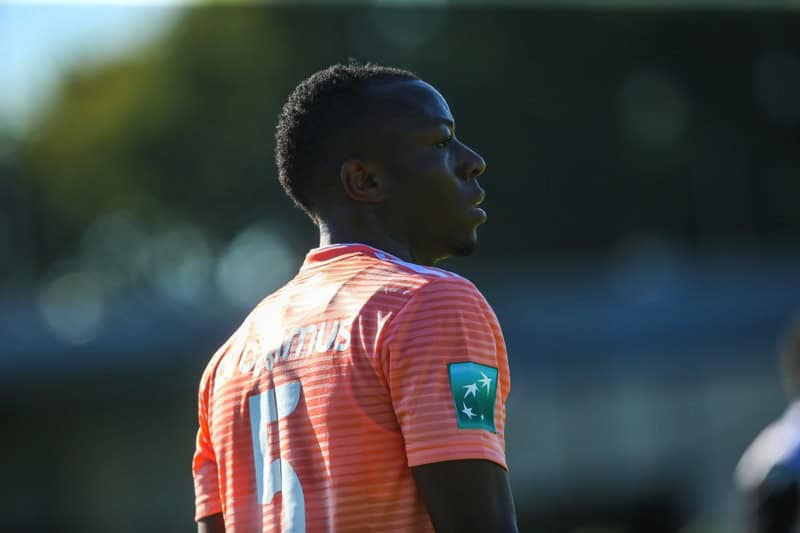
Watford had several players in contention for places at the 2026 World Cup, with three ultimately making the trip for football’s biggest event. That is a notable achievement in itself, as never before have the Hornets had so many players at one tournament. The three players involved all got minutes, too, so let us take a look at how they fared.
Egil Selvik – Norway
- Appearances: 1
- Minutes: 90
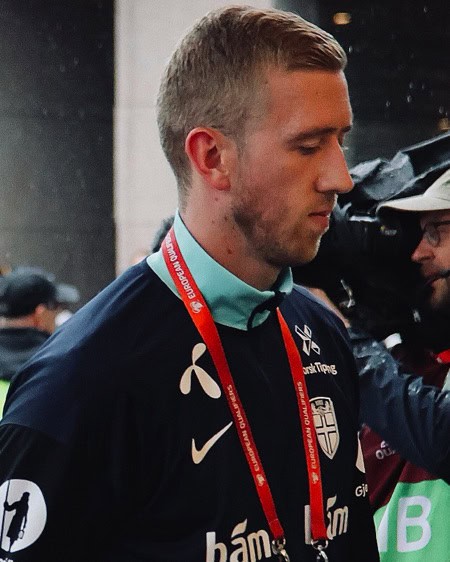
Selvik travelled to the tournament as Norway’s second-choice goalkeeper behind Orjan Nyland, so opportunities were expected to be limited. However, with Norway already through to the knockout stages, the coaching staff made 10 changes for their final group match against France, handing the Watford goalkeeper his World Cup debut.
Facing one of the tournament favourites was always going to be a difficult assignment. Although Norway suffered a 4-1 defeat, Selvik did not disgrace himself by any means. He was not at fault for any of France’s four goals, three of which came from Ousmane Dembele, and produced five saves throughout the match. He also reacted well to smother the ball at the feet of Manu Kone when the midfielder broke through one-on-one.
Overall, it was a successful tournament for Selvik. Playing a full World Cup match was probably more than he expected before travelling, while Norway exceeded expectations by reaching the quarter-finals. They made it out of a tough group and defeated Ivory Coast and Brazil, before eventually losing narrowly to England. Although Selvik watched the knockout rounds from the bench, the experience will have been invaluable, and Norway returned home to a heroes’ welcome.
Edo Kayembe – DR Congo
- Appearances: 3
- Minutes: 160
- Goals: 0
- Assists: 0
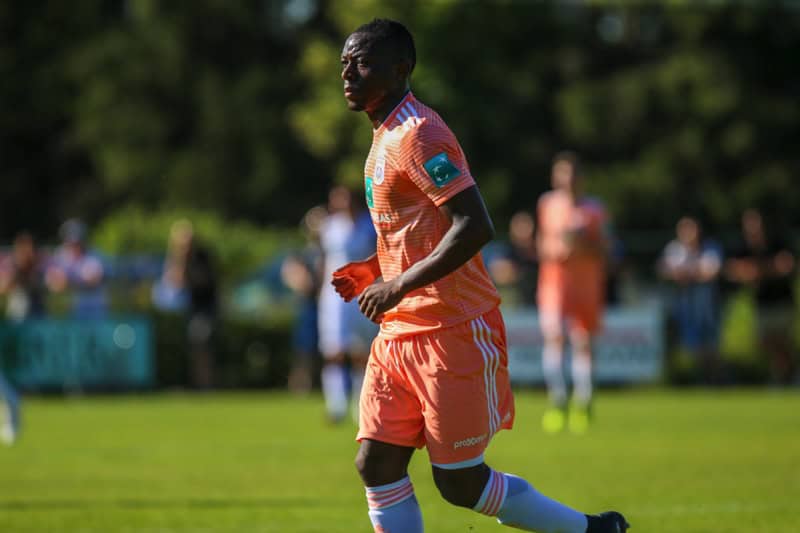
Kayembe has regularly alternated between the starting line-up and the bench for DR Congo, so he will have been delighted to start his country’s opening group match against Portugal. He took his opportunity well against a side ranked fifth in the world, producing a composed midfield display. He completed 83% of his passes, created one chance, made two tackles, recovered possession five times and won 75% of his ground duels.
His encouraging performance earned him another start against Colombia, but neither Kayembe nor many of his teammates reached the same levels they did against Portugal. The 28-year-old midfielder won just 14% of his ground duels, lost all three aerial contests and offered little in possession, making it a frustrating affair.
Kayembe subsequently dropped out of the starting XI and was an unused substitute in the decisive group-stage victory over Uzbekistan. He returned to the pitch for the final 14 minutes of DR Congo’s last-32 defeat to England, coming on shortly after Harry Kane’s equaliser. There was little time to influence the contest, but Kayembe can still take pride in playing his part during an impressive tournament. Reaching the knockout stages on their World Cup debut and pushing England all the way represented a tremendous achievement for DR Congo.
Nestory Irankunda – Australia
- Appearances: 4
- Minutes: 264
- Goals: 1
- Assists: 0
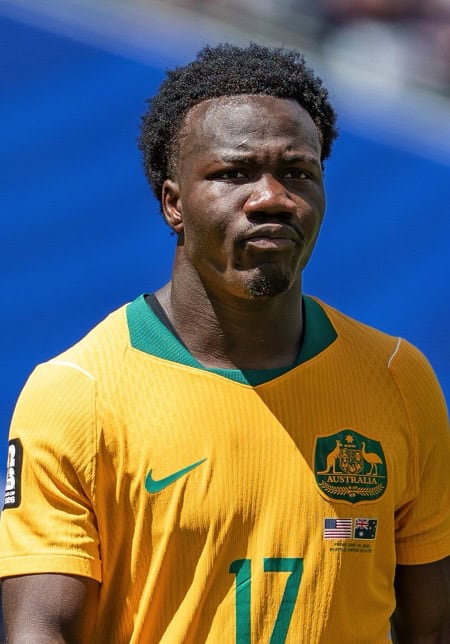
Irankunda could hardly have wished for a better start to the 2026 World Cup, scoring a brilliant solo goal after 27 minutes against Turkiye. A long pass into the channel was controlled superbly with his first touch, which took him beyond the last defender, before he calmly fired into the near corner with his second. Although he only had another 16 touches during the match, he also tested the goalkeeper with another effort on target.
Somewhat surprisingly, he was left out of Australia’s starting line-up for the following match against the United States. However, with the Socceroos trailing 2-0 at the interval, he was introduced at half-time. Despite only seeing the ball 15 times, six of those touches came inside the opposition penalty area, and he set up Cristian Volpato for a great chance, which the Sassuolo man blazed over.
Irankunda returned to the starting XI for the final group match against Paraguay and was deployed as a central, lone striker. Australia found it difficult to break down Paraguay’s five-man defence in a cagey encounter, and Irankunda struggled to impose himself. Even so, the draw was enough to secure qualification for the round of 16.
Australia then faced Egypt, with Irankunda once again asked to lead the line. Given his struggles against Paraguay, it was an unusual tactical decision. Playing with his back to goal did not suit the 20-year-old then, and it did not against Egypt either. He found it difficult to hold the ball up and was guilty of a few heavy touches. Australia eventually lost on penalties, with Irankunda having been substituted after 74 minutes before the shootout.
While he was unable to add to his opening-game goal, reports linking Irankunda with a move away from Vicarage Road have only intensified since the World Cup began.


